Color mixing is one of the most exciting and magical parts of art, especially for kids and beginners. Have you ever wondered what colors create new colors or asked yourself what two colors make purple, green, or orange? Understanding color mixing helps children not only improve their drawing and painting skills but also build creativity, curiosity, and confidence in art.
In this complete color mixing guide, we will explore how colors work, how new colors are created, and why some colors behave differently than others. This page is designed as a learning hub for kids, parents, teachers, and beginner artists who want to understand color mixing in a fun, simple, and educational way.
Instead of just listing answers, this guide teaches how to think about colors. Once children understand the basics of color mixing, they can easily answer questions like what two colors make blue, what color is this when I mix red and yellow, or what are the colors of the rainbow all by themselves. Grab your paints, crayons, or markers, and let’s dive into the colorful world of color mixing.
Table of Contents
1️⃣ What are primary colors?
Primary colors are the foundation of all color mixing. When children learn what primary colors are, they unlock the key to creating almost every other color they see around them.
What are primary colors?
In traditional paint color mixing (also called subtractive color mixing), the primary colors are: Red, Yellow and Blue.
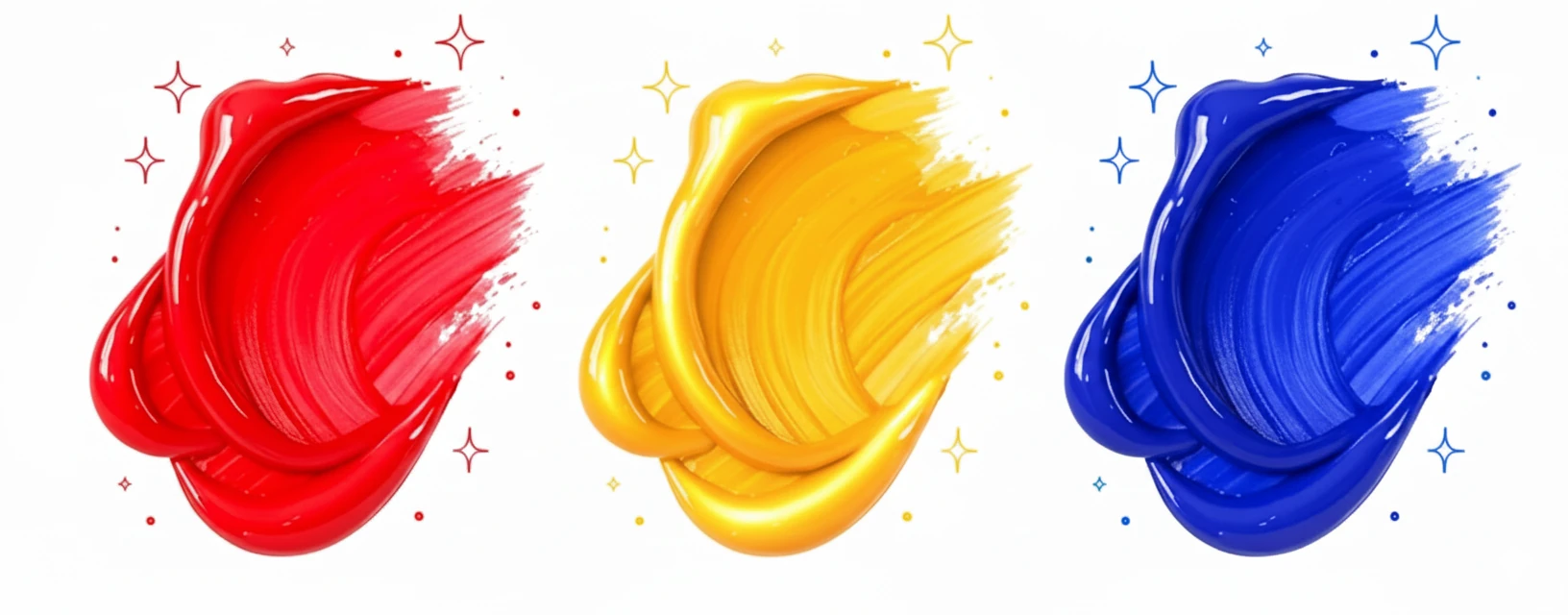
Red, yellow and blue are called primary because they cannot be created by mixing other colors together. No matter how much you mix, blend, or experiment, you cannot make red, yellow, or blue from other paint colors.
Why primary colors are important in color mixing
Primary colors are important because:
- They are used to create secondary colors
- They help children understand color relationships
- They improve color recognition in drawing and painting
Once you know the primary colors, they start to see patterns. They recognize that every colorful picture, painting, or cartoon character begins with these three basic colors. For more detail information about color mixing see Wikipedia page about color mixing
A fun way to teach primary colors
A great activity for kids is to:
- Put red, yellow, and blue paint on paper
- Keep them separate at first
- Ask: What colors do you think we can make using only these three?
This naturally leads to curiosity and prepares them for the next step: secondary colors.
2️⃣ How to Create Secondary Colors 🎨✨
Now the real color magic begins! 🎉 Secondary colors are created when you mix two primary colors together. This is often the most exciting part of color mixing because new colors suddenly appear right in front of their eyes.
What are secondary colors?
Secondary colors are colors made by mixing two primary colors. In paint color mixing, there are three secondary colors: Green – Orange – Purple
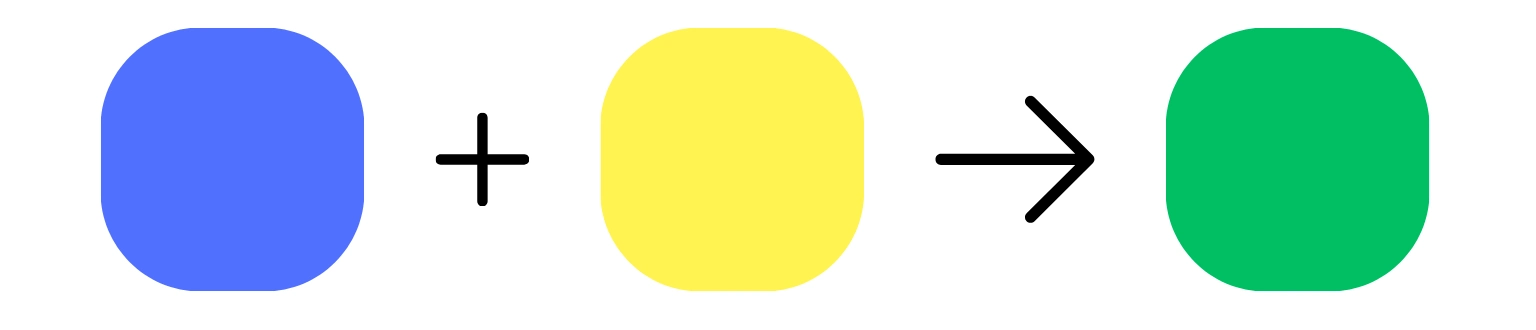
What two colors make green? Here is the answer: If you mix blue and yellow you make green color.
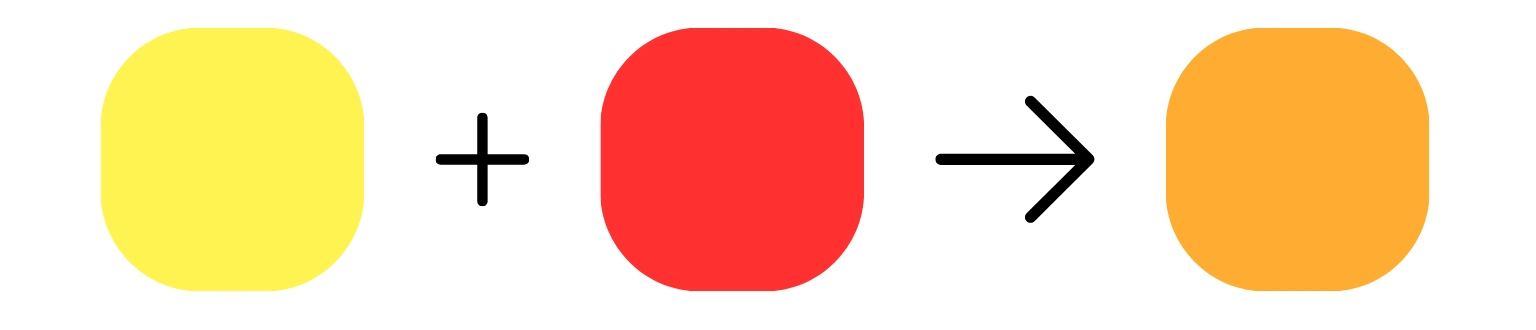
What two colors make orange? Here is the answer: If you mix yellow and red you make orange color.
What two colors make purple? Here is the answer: If you mix blue and red you make purple color.
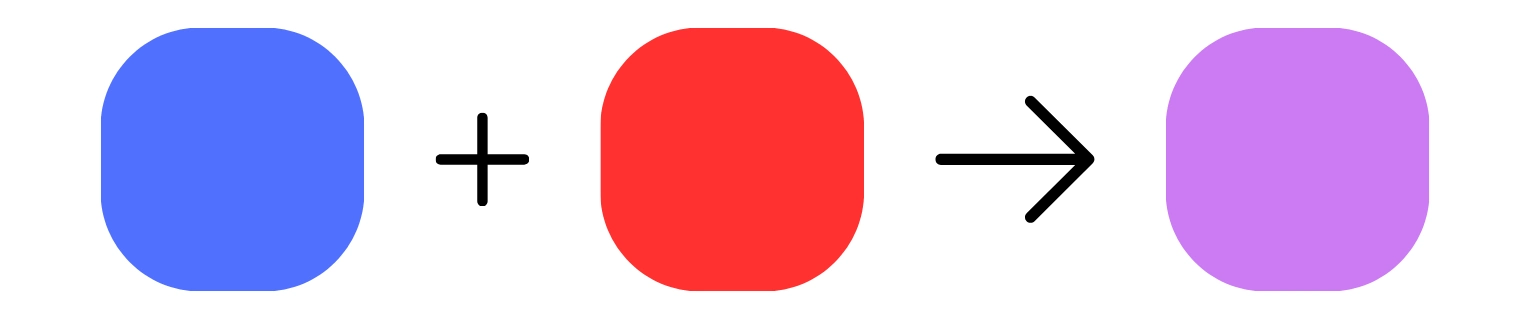
These colors do not exist on their own at the start you have to create them!
Why secondary colors are fun
Secondary colors help children understand:
- How colors are connected
- That small changes create new results
- That mixing colors is about experimenting, not being perfect
People often ask questions like:
- What two colors make green?
- What colors make orange?
- What two colors make purple?
Now they know the answers and even better, they can try it themselves!
A simple tip for better color mixing
To start with small amounts of paint and mix slowly. This way, they can see the color change step by step and enjoy the process even more. Color mixing isn’t just about making new colors, it’s about discovering how colors work and having fun along the way! 🌈🎨
Understanding color balance
When mixing colors, balance matters. If you use too much blue and not enough yellow, the green may look darker. If they add too much red to blue, the purple may turn muddy.
This teaches:
- Observation skills
- Cause-and-effect thinking
- Patience and experimentation
There is no “wrong” result in color mixing, only new discoveries.
Why secondary colors matter in drawing
Secondary colors help children:
- Add variety to drawings
- Create more realistic pictures
- Understand shading and contrast
For example, leaves are rarely just “green.” They can be light green, yellow-green, or dark green depending on how colors are mixed.
3️⃣ Why you can’t make red with paint? (Very important!)
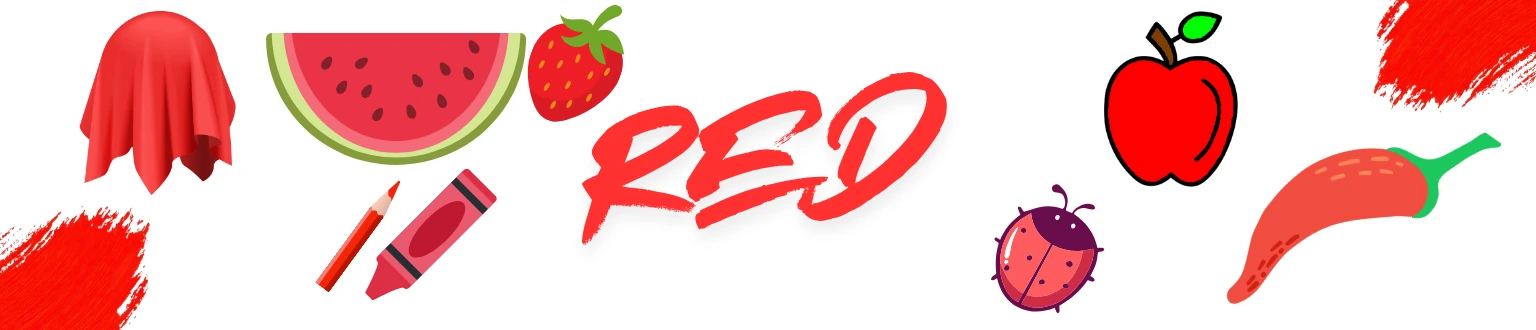
One of the most searched questions online is: “What two colors make red?” This question is incredibly important because the answer builds real color knowledge and increases trust and understanding (this is where EEAT comes in).
The simple answer
👉 You cannot make red by mixing paint colors.
Red is a primary color in paint mixing. That means it already exists at the most basic level.
Why this confuses many beginners
People often think:
- “If I mix enough colors, I can create everything.”
But color mixing does not work like math. Colors follow scientific rules, and red sits at the base of the paint color system.
Paint colors vs light colors (a preview)
Here’s where it gets interesting:
- In paint, red is a primary color
- In light, red behaves differently
This is why children sometimes see confusing answers online. Understanding the system behind color mixing clears this confusion.
Why teaching this builds confidence
When you understand why red can’t be made with paint:
- They stop guessing randomly
- They feel smarter and more confident
- They trust their learning process
Knowing limits is just as powerful as knowing possibilities. Let’s start painting! Head over to our easy drawing tutorials and use your creative skills to draw something amazing with blue.
4️⃣ Why you can’t make yellow with paint? (Very important!)
One of the most common color questions is: “What two colors make yellow?”
This question is very important because it helps to understand how color mixing really works, instead of guessing or memorizing random combinations.
The simple answer
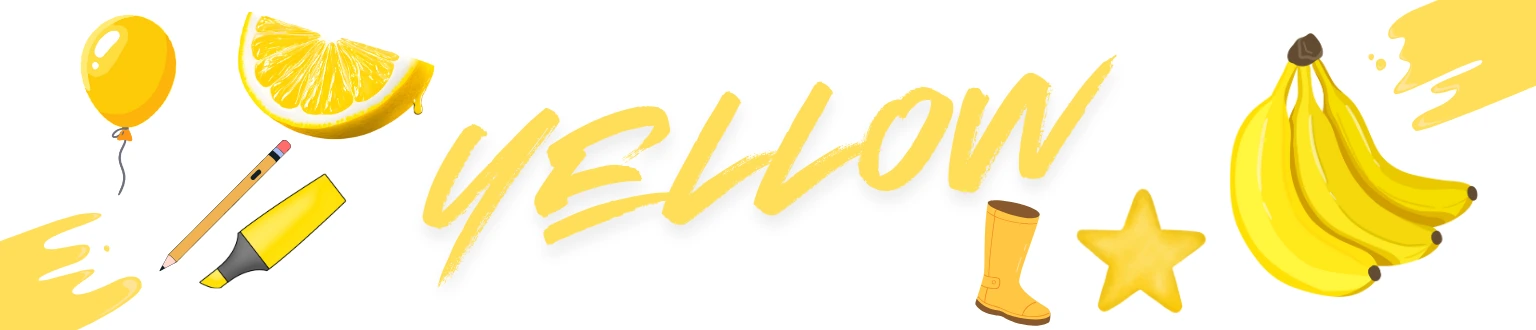
👉 You cannot make yellow by mixing paint colors.
Yellow is a primary color in traditional paint color mixing. That means it already exists at the most basic level and cannot be created from other paint colors.
Why yellow cannot be mixed
In paint color theory, all colors are built from three base colors:
- Red
- Yellow
- Blue
Because yellow is one of these base colors, there are no two colors you can mix to create it. Any attempt to mix other colors will only produce darker or different shades, never true yellow.
Why learning this matters
Understanding why yellow cannot be mixed:
- Builds real color knowledge
- Prevents frustration during painting
- Helps to trust their learning
Once children accept that yellow is a starting color, they can focus on using it creatively instead of trying to create it. Now that you’ve mastered this color, check out our animal drawing lessons to learn how to use yellow in your artwork!
5️⃣ Why you can’t make blue with paint? (Very important!)
Another very popular question is: “What two colors make blue?”
This question appears often in beginner art lessons, and answering it correctly is essential for building strong color theory skills.
The simple answer
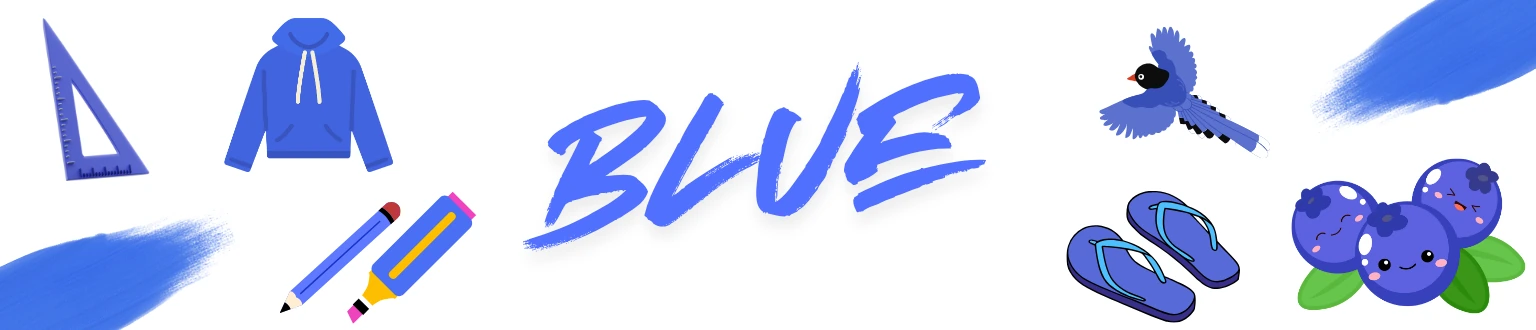
👉 You cannot make blue by mixing paint colors. Blue is a primary color in paint mixing, just like red and yellow.
Why blue is a primary color
Primary colors are colors that:
- Cannot be created by mixing other colors
- Are used to create all other colors
Since blue is one of the three primary colors, it already exists as a base. There is no paint combination that produces true blue.
Paint vs light confusion
Some confusion comes from digital screens. In light color mixing, blue behaves differently. But in paint color mixing, blue is a fundamental starting point.
Why this is important
When you understand why blue cannot be mixed:
- They stop guessing and experimenting blindly
- They gain confidence in their color knowledge
- They learn how to use blue intentionally in their artwork
Knowing what cannot be mixed is just as important as knowing what can be mixed. Ready to put your skills into practice? Explore our anime-cartoon drawing tutorials and start creating your next masterpiece using the color blue!
6️⃣ Paint vs light color mixing
Color mixing changes depending on what you are mixing. This is one of the most important lessons in color theory. You can use Adobe Color Mixing tool to create color palettes with the color wheel.
Paint color mixing (Subtractive)
This is the system used in:
- Painting
- Drawing
- Coloring books
- Art
Primary colors in paint:
- Red
- Yellow
- Blue
When you mix paints, colors get darker because each color absorbs light.
Light color mixing (Additive)
This system is used in:
- Screens
- TVs
- Tablets
- Phones
Primary colors in light:
- Red
- Green
- Blue (RGB)
When you mix light, colors get brighter.
Why this matters
You might ask:
- What color is this on my tablet?
- Why does mixing colors on screen look different than paint?
Now you know the answer: different color systems. Understanding this difference helps children:
- Avoid confusion
- Learn science through art
- Understand digital drawing better
Want to improve your art? Visit our all drawing tutorials and practice your techniques by drawing with this beautiful shade of colors.
Frequently Asked Questions About Color Mixing 🎨
What is color mixing?
Color mixing is the process of combining two or more colors to create a new color. In painting and drawing, color mixing usually starts with primary colors and helps kids understand how secondary and other colors are formed step by step.
What are the primary colors in paint?
The primary colors in paint are red, yellow, and blue. These colors cannot be made by mixing other paint colors and are used as the base for all other color mixing.
What two colors make green?
Green is made by mixing blue and yellow. This is one of the easiest and most common examples of color mixing for kids and beginners.
What two colors make purple?
Purple is created by mixing red and blue. Adding more red makes a warmer purple, while adding more blue makes it cooler and darker.
What two colors make orange?
Orange is made by mixing red and yellow together. Changing the balance of these colors can create lighter or darker shades of orange.
What two colors make red?
You cannot make red by mixing paint colors. Red is a primary color in paint color mixing, which means it already exists as a base color and cannot be created from other paints. See Why you can’t make red with paint?
What two colors make blue?
Blue cannot be made by mixing other paint colors. It is a primary color and must be used directly when painting or drawing. See Why you can’t make blue with paint?
What two colors make yellow?
Yellow is also a primary color in paint. This means there are no two paint colors you can mix to create yellow. See Why you can’t make yellow with paint?
Final Thoughts: Why Learning Color Mixing Matters 🌈
Color mixing is more than just art, it is a powerful learning tool. When children understand how colors work, they gain skills that support creativity, logic, and confidence. From answering what two colors make green to understanding why red can’t be mixed, this knowledge builds a strong foundation for drawing, painting, and visual learning.
This color mixing hub is designed to grow with your child. As they explore each color question, they develop curiosity and independence in art. Encourage experimentation, celebrate unexpected results, and remember every great artist starts with simple color mixing.
Share Your Drawing With Us! 💯🎁
We’d love to see your amazing artwork! When you finish your drawing, send us a picture of it. Whether it’s your first try or your masterpiece, we’re excited to cheer you on. Your creativity could even be featured on our site – so grab your crayons and show us what you’ve made! 🎉🖍️
Looking for more step-by-step drawing tutorials? Visit the A-Z Drawing Tutorials Index to browse all lessons, organized alphabetically.